 Call Us : 07313726683Call Us : 07313726683

 Send Inquiry
Pin Type Transformer
Pin Type Transformer Specification
- Coil Material
- Super enamelled copper or aluminum
- Load Loss
- As per IS/IEC Standards, e.g., 350 W (for 25 kVA)
- Rated Voltage
- 11 kV/22 kV/33 kV (Primary), 230V/415V (Secondary)
- High Voltage
- Up to 33,000 V
- Dimension (L*W*H)
- Varies by rating, e.g., Approx. 600 x 700 x 1000 mm for 25 kVA
- Low Voltage
- 230 V or 415 V
- Standard
- IS 1180/IS 2026/IEC 60076
- Operating Temperature
- -25°C to +50°C
- Cooling Type
- ONAN (Oil Natural Air Natural)
- Capacity
- Varies by model, typically up to 100 kVA
- Product Type
- Pin Type Transformer
- Material
- Copper Winding, Silicon Steel Core
- Output
- 230V/415V (Standard)
- Frequency (MHz)
- 50/60 Hz
- Efficiency
- 98% (Approx)
- Phase
- Single Phase or Three Phase
- Usage
- Electrical Power Distribution
- Coil Structure
- Toroidal or Layer Wound
- Coil Number
- 2 (Primary & Secondary)
- Power Scope
- Up to 100 kVA (Common Ratings: 10 kVA, 25 kVA, 63 kVA, 100 kVA)
- Weight
- 40 kg to 180 kg (Depends on rating)
- Noise Level
- < 55 dB
- Protection
- Hermetically Sealed / Conservator Type (optional)
- Tap Changer
- Off Circuit Tap Link (OCTL), On request
- Dielectric Strength
- As per IS/IEC norms
- Insulation Class
- Class A/B/F
- Mounting Type
- Pole Mounted (Pin Insulator Mount)
- Impedance Voltage
- Standard 4% - 7%
- Bushing Type
- Porcelain
- Installation Type
- Outdoor
- Service Condition
- Designed for tropical conditions
- Ambient Humidity
- Up to 95% RH
- Core Type
- CRGO Silicon Steel Laminated
- Painting
- Epoxy/PU Paint for Rust Protection
About Pin Type Transformer
Capitalizing on the skills and dedication of our talented professionals, we are offering a unique range of Pin Type Transformer. It is crafted with a finest quality of raw materials and modern tools to make it more durable. This transformer is to reduce the voltage of conventional power circuits to operate low-voltage devices. Pin Type Transformer is an electrical device that can be used to transfer the power from one to another circuit. It has a great mechanical strength and robust material.
Reliable Outdoor Power Distribution
This transformer is specifically built for outdoor use, featuring a robust Hermetically Sealed or Conservator design and advanced epoxy/PU paint to resist rust in challenging environments. It operates dependably across tropical service conditions, withstanding high humidity and a wide ambient temperature range, making it ideal for Indian power distribution networks.
Engineered for Efficiency and Safety
Achieving an approximate 98% efficiency, this transformer utilizes CRGO silicon steel laminated cores and super enamelled copper or aluminum windings. Compliance with IS 1180/IS 2026/IEC 60076 standards ensures reliable dielectric strength, optimal load loss rates, and minimal noise, keeping operations smooth and safe under demanding conditions.
Flexible Installation and Operation
With primary voltages of 11kV, 22kV, or 33kV and standard outputs of 230V/415V, this transformer can be tailored for various applications in power distribution. Pole-mount, pin insulator mounting makes installation straightforward, while options for tap changers (OCTL) and multiple protection types enhance operational flexibility.
FAQ's of Pin Type Transformer:
Q: How should a pin type pole mounted transformer be installed for optimal performance?
A: To ensure optimal performance, the transformer must be pole-mounted using compatible pin insulator hardware in a well-ventilated outdoor area. Ensure proper electrical clearances and secure foundation support. Installation should comply with IS/IEC norms and local electricity board requirements.Q: What are the main benefits of using a pin type, pole-mounted transformer for power distribution?
A: Pin type, pole-mounted transformers provide ease of installation, efficient power distribution, and resilience to outdoor environments. Epoxy/PU paint protects against rust, and the design withstands tropical humidity, ensuring reliable service and low maintenance costs.Q: When should I opt for a Hermetically Sealed versus a Conservator-type protection system?
A: Hermetically sealed transformers are ideal for highly humid or pollutant-laden environments, as they prevent moisture ingress. Conservator-type options are suitable where ease of oil monitoring and maintenance is preferred. The choice depends on local climate and desired servicing convenience.Q: Where are these transformers typically used?
A: These transformers are commonly deployed on electric power distribution poles in residential, commercial, or rural settings across India. Their rugged design makes them suitable for locations with high humidity, fluctuating temperatures, and outdoor exposure.Q: What process is involved in customizing or requesting off-circuit tap changers (OCTL) for this transformer?
A: To request an off-circuit tap link (OCTL), specify your preferred tap range and adjustment steps when ordering. Manufacturers will fit the transformer with appropriate tap changer assemblies, allowing manual adjustment of the output voltage to suit load variations.Q: How does the transformer ensure dielectric and rust protection in harsh climates?
A: Dielectric strength is maintained per IS/IEC norms, while all transformer surfaces undergo epoxy/PU painting to resist corrosion and protect against extreme humidity. Porcelain bushings further resist environmental degradation.Q: What are the typical usage scenarios and load ratings for this transformer?
A: Standard models deliver up to 100 kVA, with common ratings at 10 kVA, 25 kVA, 63 kVA, and 100 kVA. Typical applications include residential and rural electrification, small commercial connections, and distributed grid improvements across various power networks.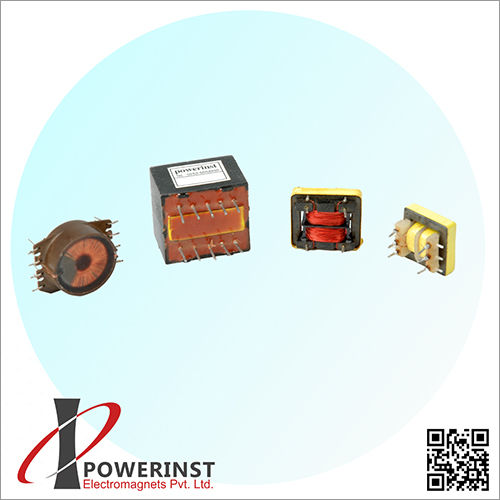
Tell us about your requirement

Price:
Quantity
Select Unit
- 50
- 100
- 200
- 250
- 500
- 1000+
Additional detail
Mobile number
Email

More Products in Electrical Transformer Category
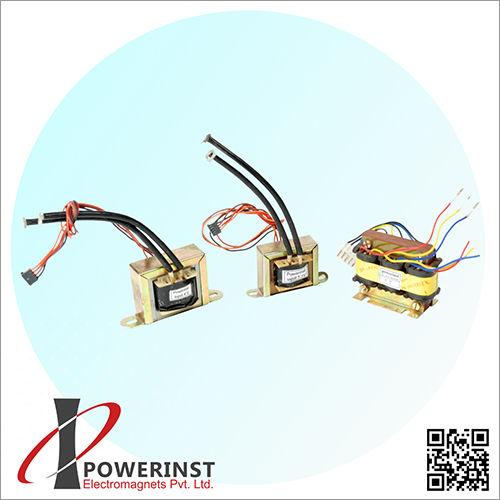
Small Voltage Transformer
Product Type : Other, Small Voltage Transformer
Material : Flexible and durable material
Usage : Power distribution and regulation
Coil Structure : Other, Encapsulated core
Coil Material : Copper, Other
Phase : Other, Singlephase

PCB Mount Voltage Transformer
Product Type : PCB Mount Voltage Transformer, Other
Material : Copper Lamination Steel
Usage : PCB and Low Power Applications
Coil Structure : Compact, Other
Coil Material : Copper, Other
Phase : Singlephase, Other
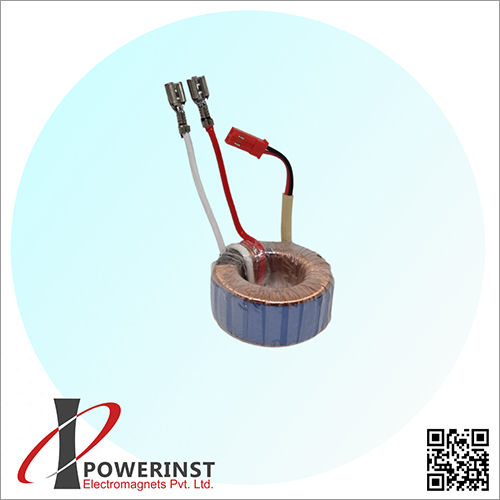
Low Range Current Transformer
Product Type : Current Transformer
Material : Copper & Insulated Core
Usage : Industrial Measurement
Coil Structure : Toroidal
Coil Material : Other , Copper
Phase : Single Phase
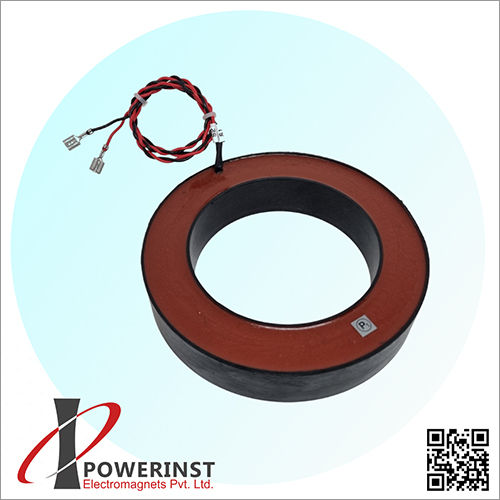
Resin Cast Current Transformer
Product Type : Other, Resin Cast Current Transformer
Material : Resin and Copper
Usage : Current Measurement
Coil Structure : Other, Resin Cast
Coil Material : Other , Copper
Phase : Other, Singlephase

Address
POWERINST ELECTROMAGNETS PRIVATE LIMITED
GST : 27AAHCP6735H1Z4
GST : 27AAHCP6735H1Z4
- 21/1, MIDC, Satpur, M.Corp, Nashik - 422007, Maharashtra, India
- Phone :07313726683
- Send Inquiry
 Send Inquiry
 Send Inquiry
 Send SMS
 |
POWERINST ELECTROMAGNETS PVT. LTD.
All Rights Reserved.(Terms of Use) Developed and Managed by Infocom Network Private Limited. |
